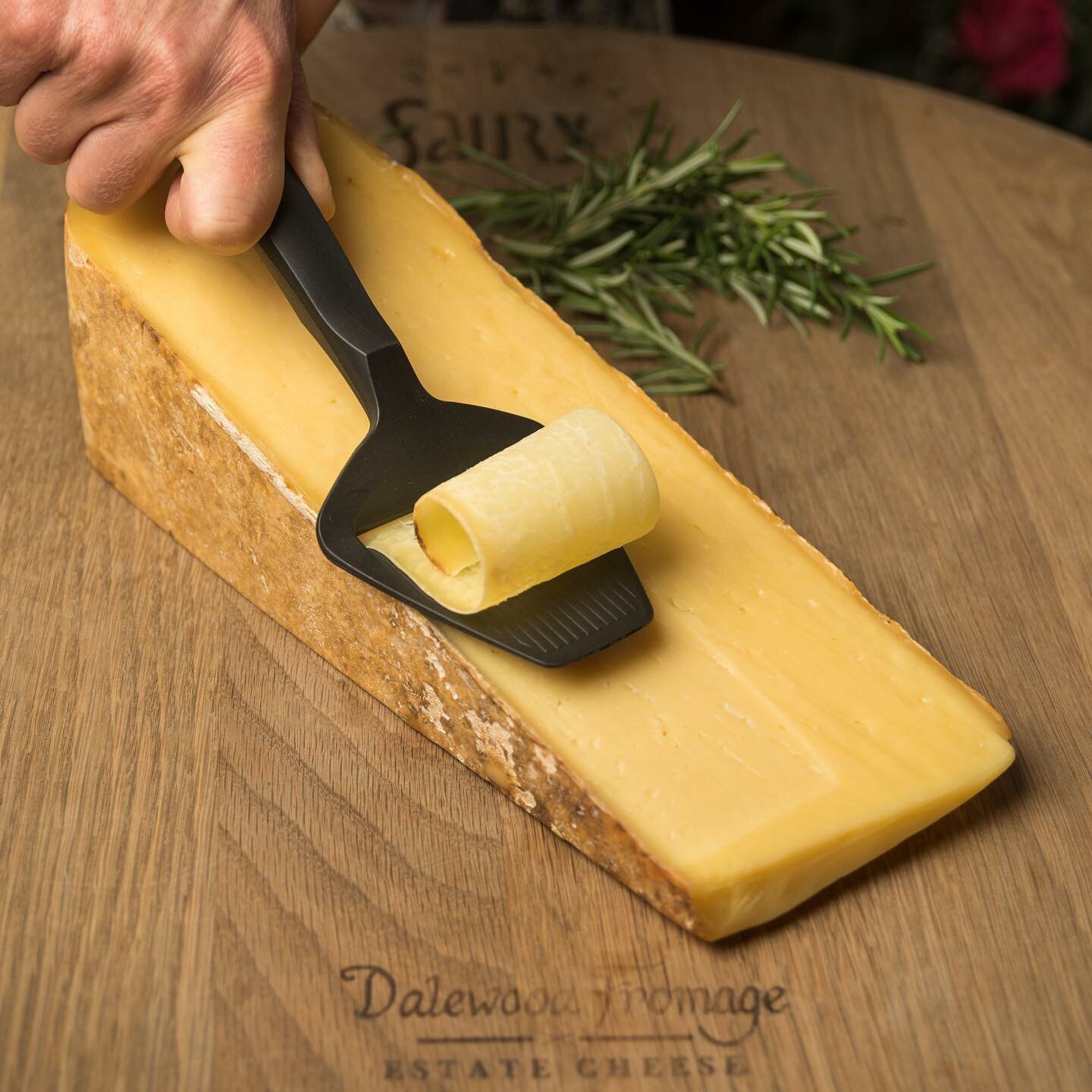
 Say Cheese!… and eat Dalewood Huguenot, one of our finest cheeses
Whether you prefer soft or hard, aged or fresh, stinky or not, there’s no denying that cheese is much-loved and, for many, an everyday staple whether it’s on a sandwich, in a salad, a topping on a bowl of macaroni or smothering a plate of cauliflower. No wonder then that it has a day all of its own so that we can celebrate and indulge in what is one of the world’s oldest foodstuffs.
This year National Cheese Day falls on Sunday, June 4 and, to mark the occasion, herewith some facts and figures and a few delicious cheesy recipes from the chefs at Capsicum Culinary Studio.
Cheese making is an ancient craft that predates recorded history. It is speculated that it began somewhere around 8000 BC, shortly after the domestication of animals. Archaeological digs have found evidence of cheese around the world, including strainers coated in milk-fat molecules in Poland dated around 5500 BC, murals in Egypt dated at 2000 BC and an artifact of preserved cheese in China believed to be more than 3,000 years old. European Imperialism took their styles of cheese through Asia, Sub-Saharan Africa and eventually to the Americas.
It is estimated that there are over 1,800 different types of cheese around the world with many countries having their own specific styles made from different milk – be it cow’s milk, goat’s milk, sheep’s milk, buffalo milk and more.
A recent survey by Taste Atlas found the ten most popular cheeses are:
 Dalewood Fromage Camembert
Camembert, made from cow’s milk, originally in Normandy, has a soft, creamy interior while its exterior is covered with a white, mouldy rind. When ‘ripe’, it has an intense, pungent smell and flavour.
 Delicious young Gorgonzola
Gorgonzola, was first produced in 879 AD in Gorgonzola, a town outside Milan. Made with cow’s milk and distinguished by a blue marbling of mould, the blue veining is created by inoculating the milk with penicillin spores.
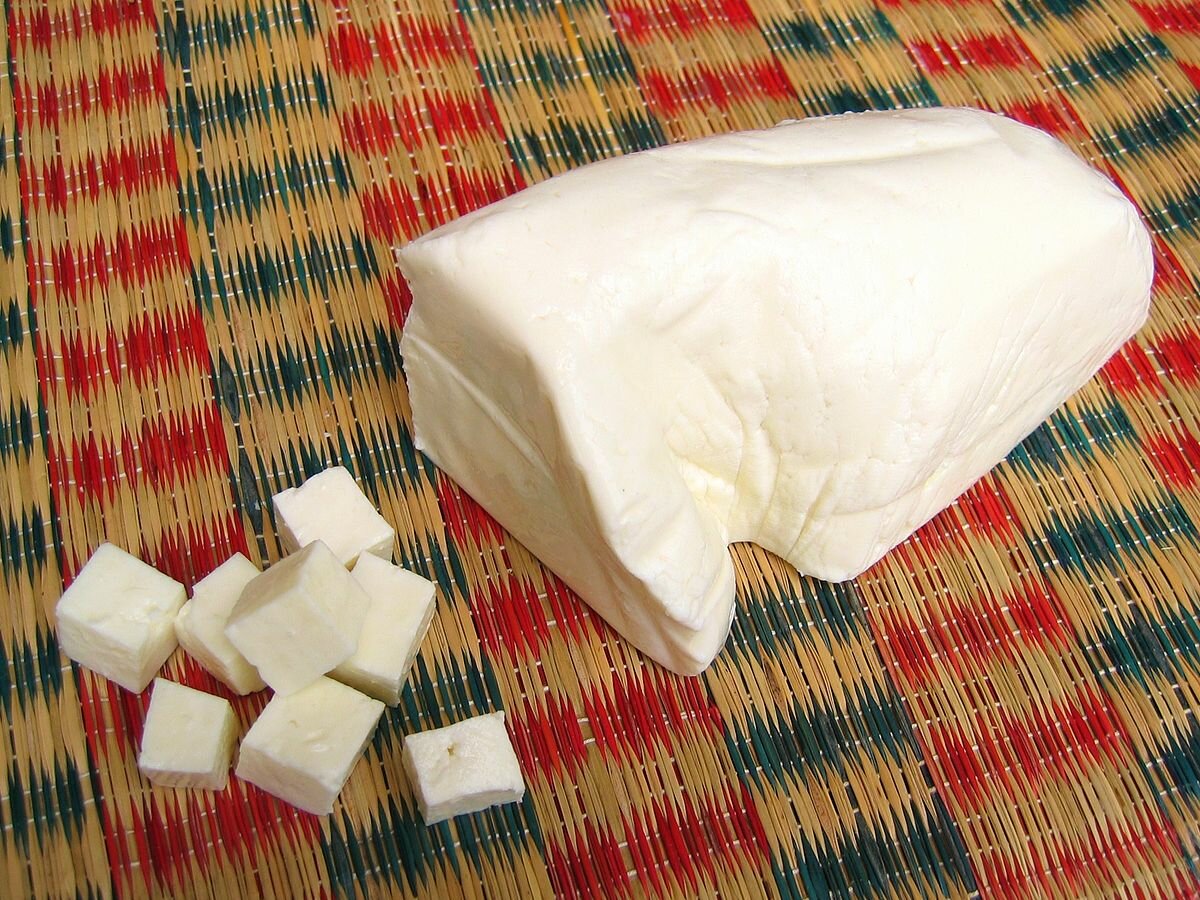 Paneer is made from cow’s or water buffalo’s milk and has a soft, crumbly texture. It has origins in India and Bangladesh and dates back to 6000 BC. It is often used in curries and, unlike most cheeses, does not involve rennet in the production process, making it vegetarian friendly.
 Dalewood Winelands Brie
Brie is a soft French cheese made from cow’s milk. It has a delicate rind covered in white mould. It is important to let Brie reach room temperature before eating to fully appreciate its flavours.
 Mature Gouda
Gouda is a yellow/orange, creamy sweet cow’s milk cheese from the Netherlands. Its texture ranges from semi-hard to hard and the taste changes with aging.
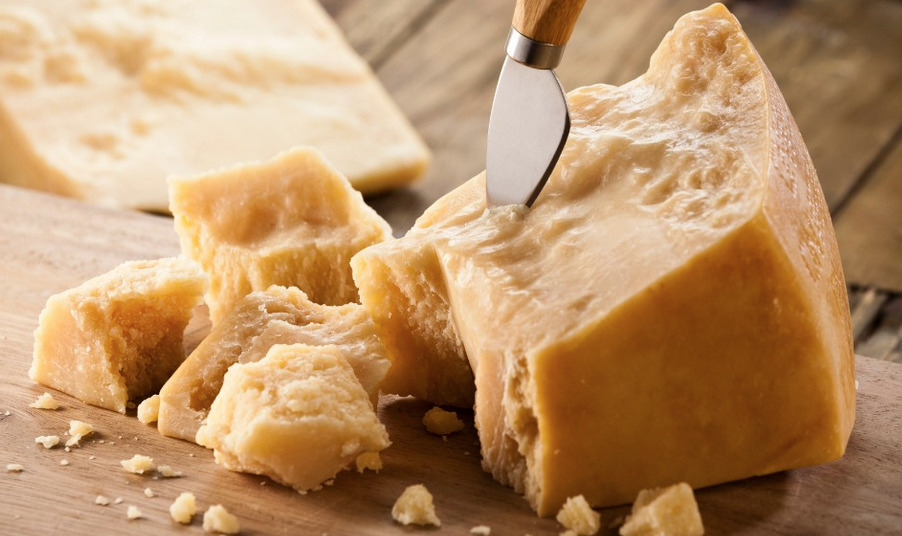 Parmigiano Reggiano is a regionally registered cheese
Parmigiano Reggiano or Parmesan as it is more commonly called, is considered to be among the world’s top-quality cheeses. It is made with semi-skimmed cow’s milk and has a hard, gritty texture. Its flavours range from nutty to robust and slightly piquant, depending on how long it has matured.
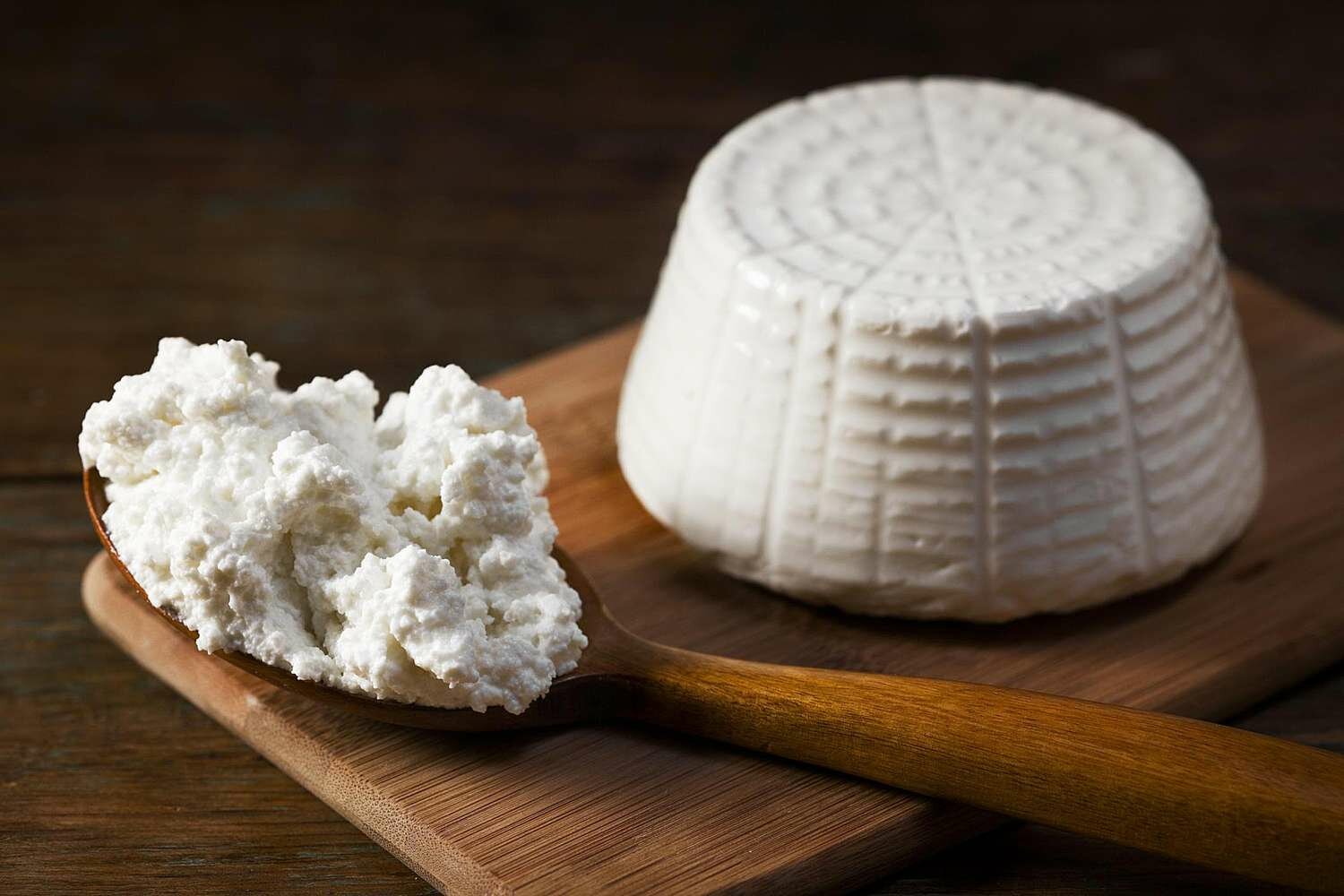 Ricotta, a cheese made from Whey
Ricotta is a soft cheese made from sheep’s, cow’s, goat’s or Italian water buffalo’s milk. Technically it is not a cheese but a creamy curd made by reheating the whey, a by-product of cheesemaking, hence the name ricotta which means re-cooked.
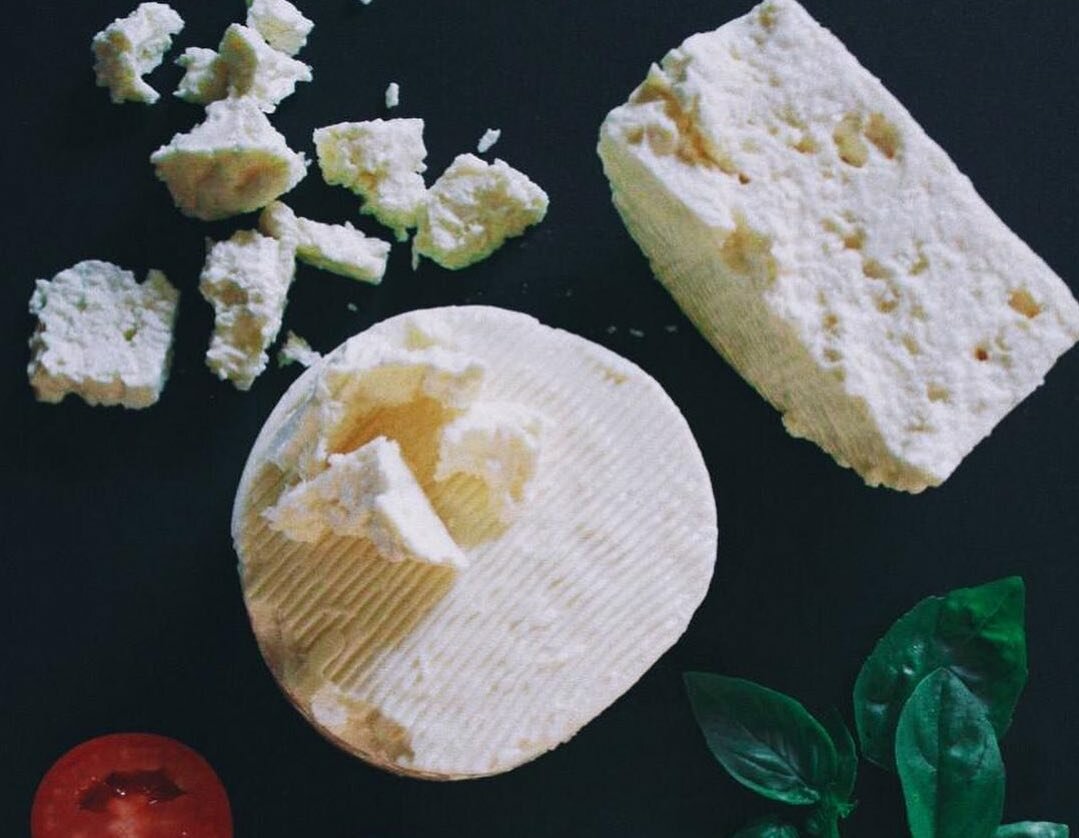 Dalewood Fromage Feta
Feta is a Greek cheese made from sheep’s milk or a mixture of sheep’s and goat’s milk and one of the key ingredients in a Greek salad. It is made in large square molds and preserved in wooden barrels filled with brine to keep it fresh and preserve its acidity.
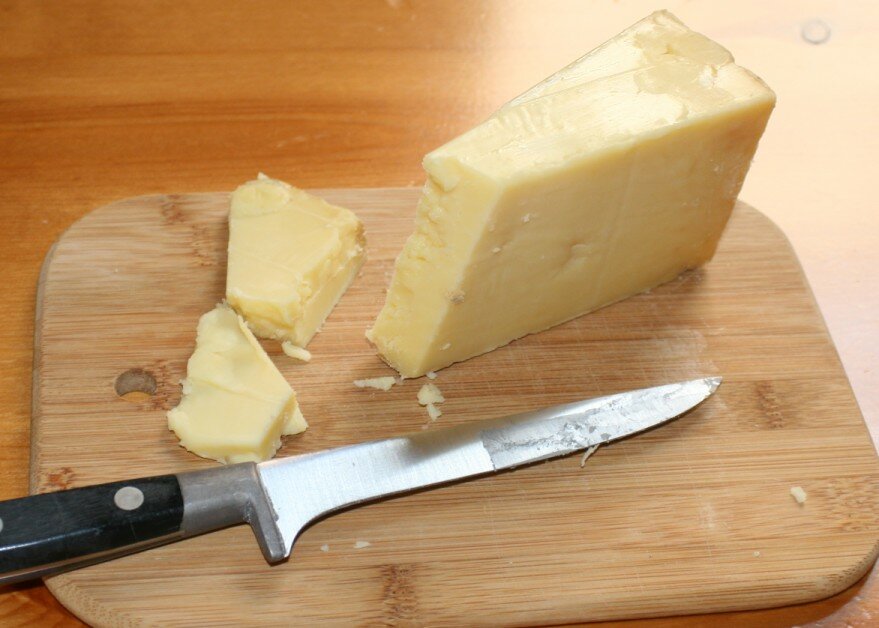 A fine slice of Cheddar
Cheddar, a cow’s milk cheese, is one of the most popular cheeses in the world and was first produced in Cheddar, England in the 12th century. It is a hard cheese and ranges from white to pale yellow in colour. When young, it has a smooth texture but becomes crumblier and gets a sharper flavour when left to mature.
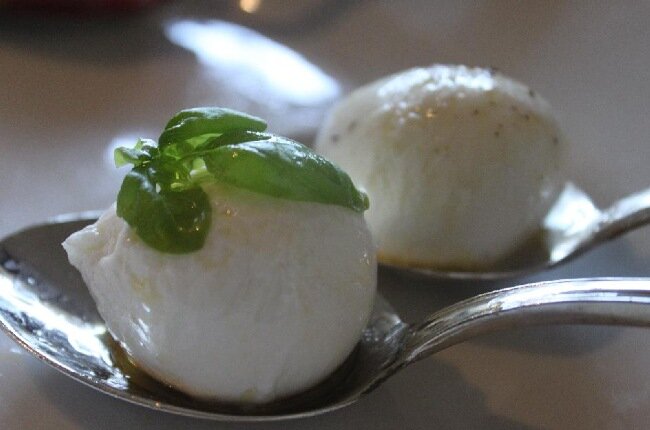 Mozzarella, freshly made
The top cheese in the world is Mozzarella, a soft, stretched curd cheese made with water buffalo’s or cow’s milk. The ancient tradition of making mozzarella dates back to the 4th century BC with the first reference to its name found in a 1570 cookbook.
Other popular cheeses include Stilton (England), Edam (Netherlands), Manchego (Spanish), Pecorino (Italian), Roquefort (France) Gruyère and Emmentaler (Switzerland) and Halloumi (Cyprus)
So go ahead, indulge in your favourite cheese on June 4 and celebrate National Cheese Day with these fabulous recipes from the chefs at Capsicum Culinary Studio.
 Cheese Straws
Ingredients
180g cups plain flour, sifted
½ tsp salt
¼ tsp cayenne pepper
125g butter, chilled, chopped
250g aged cheddar, grated
1 egg, lightly beaten
1 tbsp lemon juice
Method
Preheat oven to 180°C. Line 3 baking trays with baking paper. Combine flour, salt and cayenne pepper in a bowl. Rub in butter until mixture resembles breadcrumbs. Add cheese, egg and lemon juice, mixing with your hands to form a dough. Place half the dough on a well-floured surface. Roll out to form a 3mm-thick, 20cm x 40cm rectangle. Trim edges to make straight. Cut crossways into 5mm strips. Repeat with remaining dough. Place strips on prepared trays. Bake one tray at a time for 10 to 12 minutes or until ends start to turn golden. Cool on trays before serving.
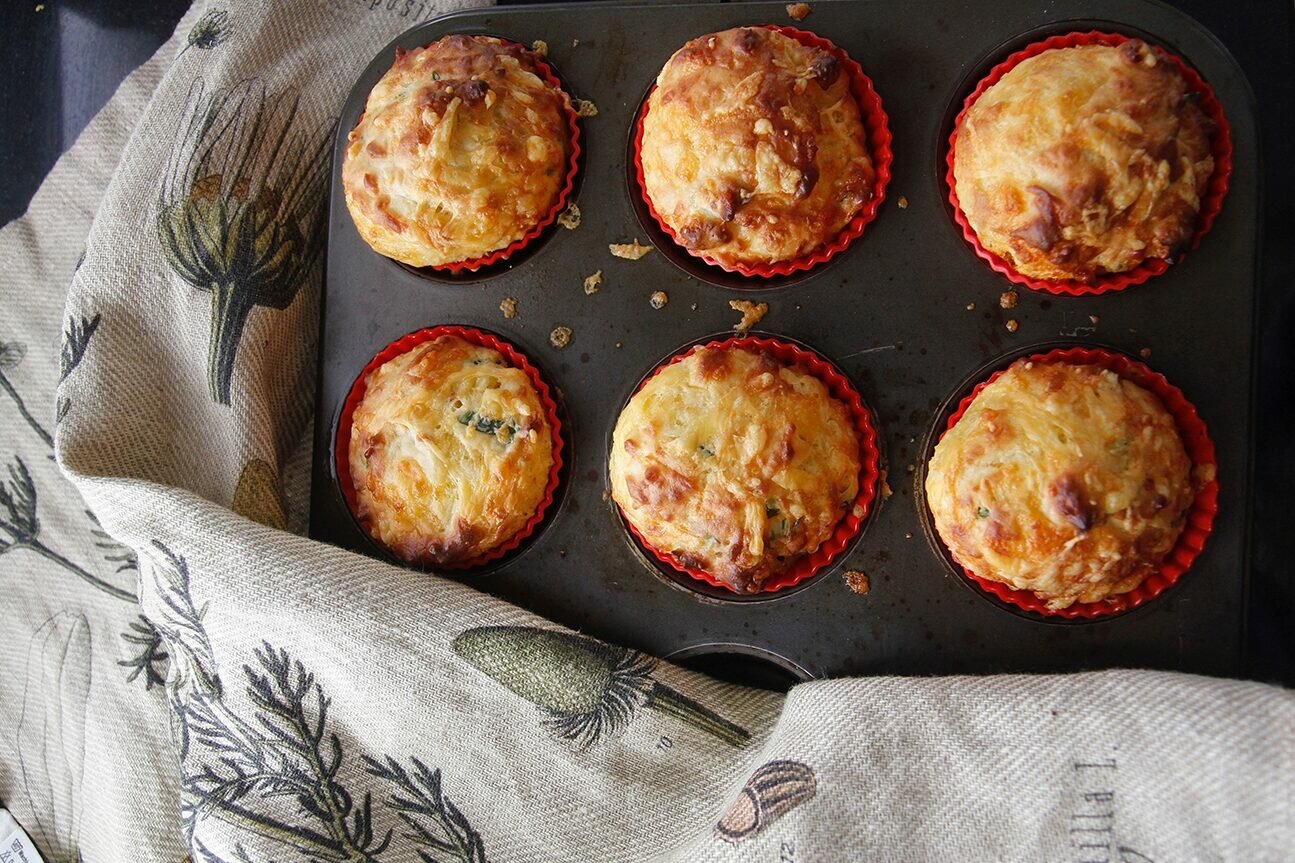 Cheese Muffins
Ingredients
50g butter, melted
200g grated cheddar cheese
300g plain flour
1½ tsp baking powder
½ tsp baking soda
½tsp cayenne pepper
½ tsp salt
1 large egg, whisked
1 cup milk
60g sour cream or plain yoghurt
85ml vegetable oil
Method
Preheat oven to 180C. Brush a 12-hole standard muffin tin with butter. Place the flour, baking powder, baking soda, cayenne pepper and salt into a large bowl and mix to combine. In a separate bowl, mix the butter, egg, milk, sour cream/yoghurt and oil. Pour the wet mixture into the dry ingredients bowl and mix well. Incorporate the grated cheese, making sure you don’t overmix. Using a tablespoon or ice cream scooper, divide the mixture between the 12 muffin holes. Bake for 20 – 25 minutes or until the muffins are golden.
Remove and cool slightly before cutting them in half and slathering them with butter!
(Chef’s Tip: You can also add bacon bits before baking for an extra special muffin!)
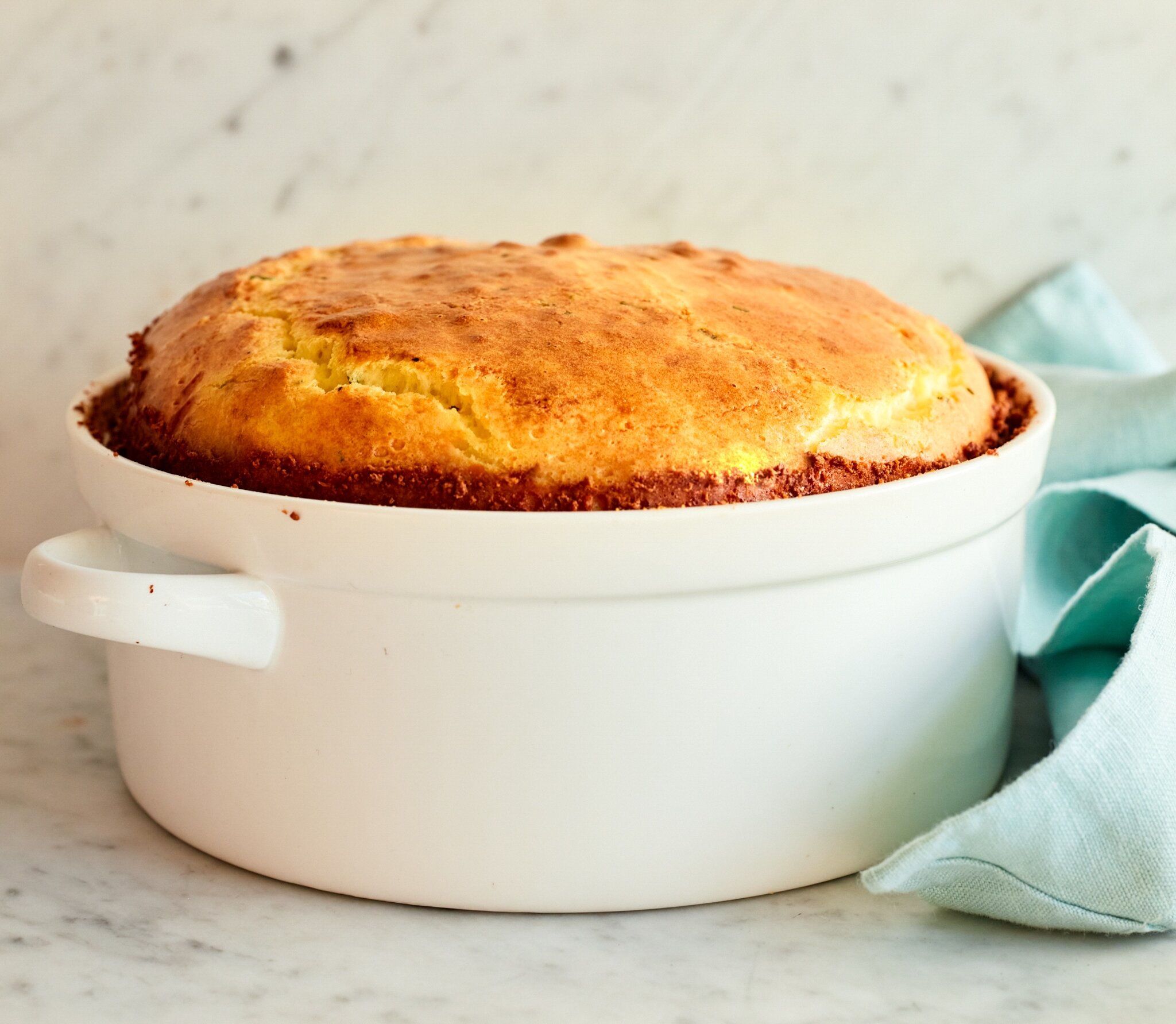 Cheese Souffle
Ingredient
50g butter
35g plain flour
400ml milk
5 eggs, separated
80g gruyere cheese, grated
Pinch ground nutmeg
Finely chopped fresh chives, to serve
Method
Preheat oven to 180°C. Grease a deep ovenproof dish with butter. Melt butter in a saucepan over medium-high heat until foaming. Add flour. Cook, stirring with a wooden spoon, for 1 to 2 minutes or until mixture is bubbling. Remove from heat. Gradually stir in milk until smooth. Return to heat. Cook, stirring, for 2 minutes or until mixture has thickened and coats the back of spoon. Remove from heat. Stir in egg yolks, cheese and nutmeg. Season with salt and pepper. Using an electric mixer, beat egg whites until soft peaks form. Gently fold through cheese mixture. Spoon into the greased dish and bake for 30 minutes or until golden and puffed. Top with chives and serve with steamed vegetables.
 Air Fryer Halloumi with Spiced Honey Glaze
Ingredients
225g halloumi, cut into thick slices
1 tsp olive oil
2 tbsp runny honey
1 tsp black sesame seeds
Pinch chilli flakes
Finely grated zest ½ lemon
Method
Pat the halloumi dry, then coat with the oil. Heat air fryer to 180°C then place halloumi in the tray and cook for 8 minutes, turning over halfway. Meanwhile, combine all the other ingredients and when the halloumi is cooked, drizzle half the dressing over the pieces and return to the air fryer for 1 minute, then serve drizzled with the remaining dressing.
Read more about The Capsicum Culinary Studio – CLICK HERE
Information from Jag Communications

